
Water Wisdom...

Entry posted by Joseph Fearn in Resource Management
1,366 views
Some years back I attended an irrigation training session in Springfield, MO. The speaker was an irrigation expert from a national irrigation company with obvious expertise and credibility. This person said if we currently don’t have water use restrictions yet, we will in the next 10 years. This scenario hasn’t come to pass for the most part, but the lesson was not lost on me. Further back I remember my operation being under irrigation curtailment in Nashville, TN. We could only run irrigation between 1am and 5 am. We managed 50 complex systems all over metro Nashville covering 2m sq. ft. of turf. Again, a lesson learned. Today, our operations are faced with the need to conserve water. Whether water availability is dire or otherwise, we should be adjusting our watering protocols. But, more importantly we should be examining the very how and why of our irrigation. We need to lead so we won’t be forced to follow.
Use It Where It Is
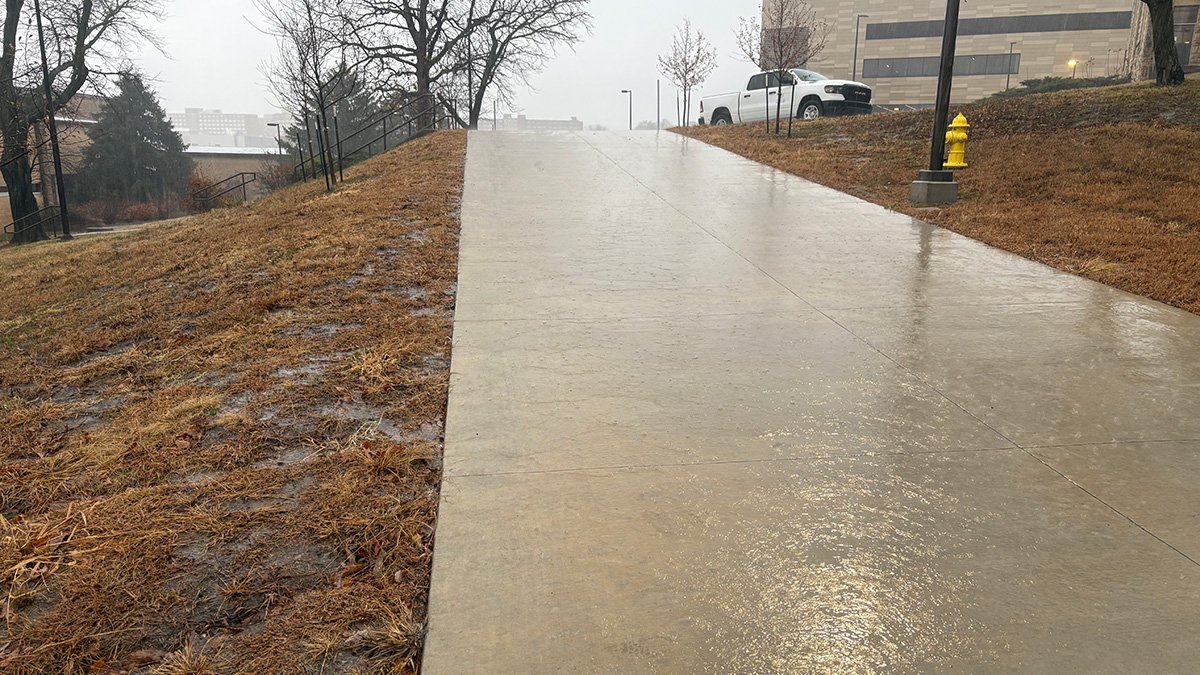
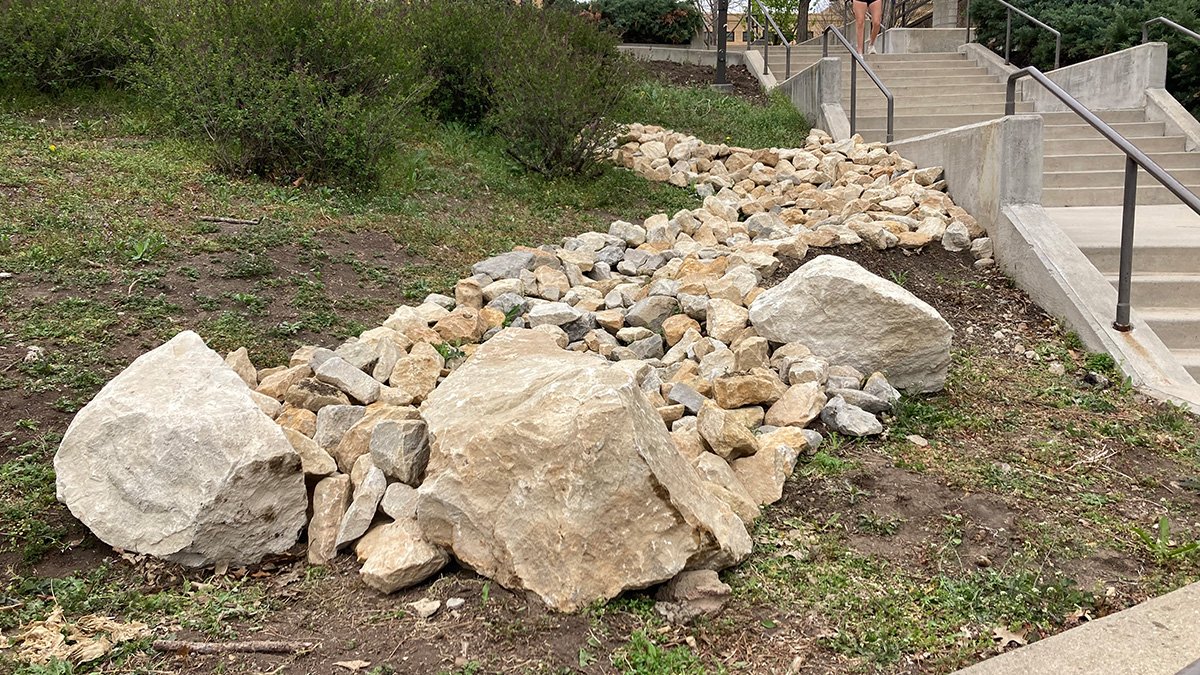
Some of my main considerations in use of water is the source, transport mechanism, and how it is delivered to a target. The first and easiest way to water is rain. It falls over the entire campus and falls where the plants are. Next, excess water due to downpour or exceeding soil holding capacity congregates into puddles, detention ponds and low areas. This is a potentially significant reservoir that we should be utilizing where it is. The last significant stop for rainfall is movement into a drainage system that moves water off campus. Rather than speeding water on its evacuation, movement could be safely delayed or impeded using landscape features to slow, spread, and soak. Every opportunity should be consistently evaluated on likelihood of inhibiting water movement. The use of more and smaller detention could significantly reduce off campus outflows. Berming, swales, and water calming features could increase time on site allowing percolation. Rather than viewing “overflow” as a problem, we should be trying to use smart design to capture and or utilize this water.
Transform Water Problems into Water Solutions
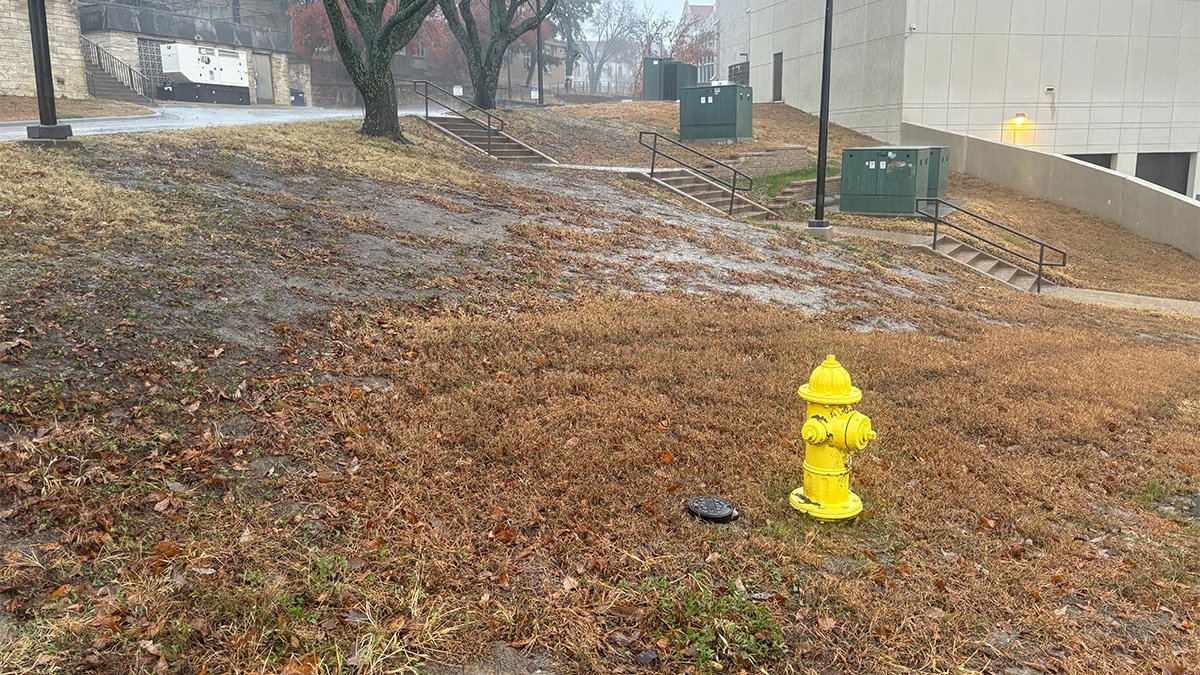
Water is an incredibly powerful natural force. Massive resources are used attempting to control water (Corp of Engineers, hydroelectric, levees, MS4, etc.). Most landscapes seek to limit water movement to a finite path that does not conflict with other components of the site. This is usually a fool’s errand. Water infiltrates basement walls, overwhelms drainage ways, and frequently scours new pathways when overflowed. Our hardscapes especially are culprits in promoting water runoff and accelerating water movement speed thereby concentrating runoff into larger and larger quantities. Damage should be analyzed based on the source and mechanism of the problem, not from a standpoint of repairing the pre-damage status quo state. The presence of a “problem” indicates the presence of ample water that could be turned back into the landscape rather than once again forcing it off campus. Remember, the presence of water is precisely what we are trying to achieve. If it is already there, use it.
Capture and Steer Water
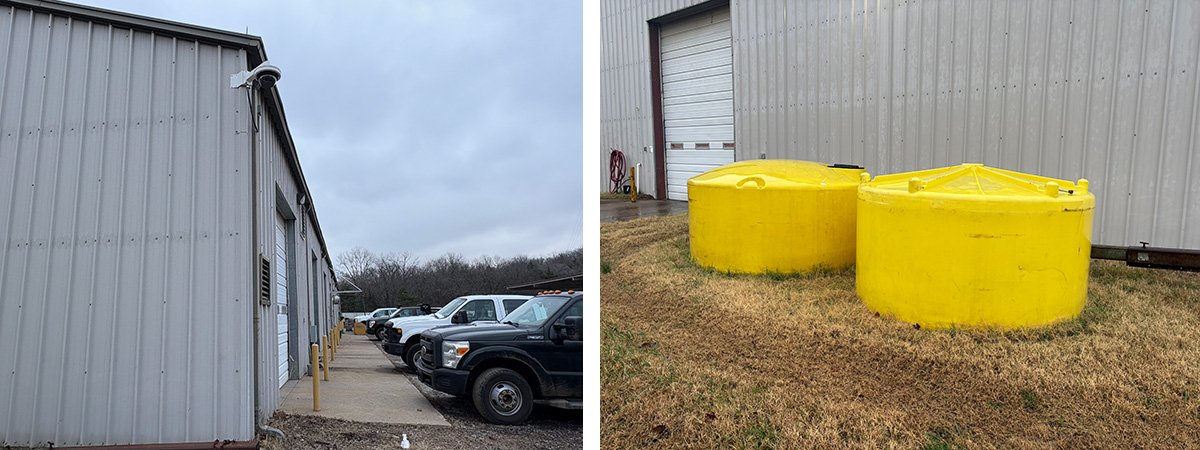
While considering this blog, I had a rainy day to intentionally observe water movement on campus. I noticed consolidated water all over funneling off of campus, and low areas that were puddling. Every one of these streams/pools could be a valuable source of water if viewed from a new perspective. Topography, and its influence on water movement, is key for better water utilization. Through gravity and contour channeling water can be steered to where it can be used. This is an effect seen in nature on bottom lands and ravines. Yet most of our landscapes sheet water toward hardscaping and speed it out of the landscape. Perhaps the best-known method of collection is rain barrels or cisterns. Our grounds shop has a roof area slightly less than 20K sq. ft. If we capture rainwater through our existing downspouts from even a ¼” rain event, we could net about 3000 gallons. Think about the volume of stormwater that leaves my campus. Capturing or infiltrating that water is a better way.
Re-examine the Beauty of Drought
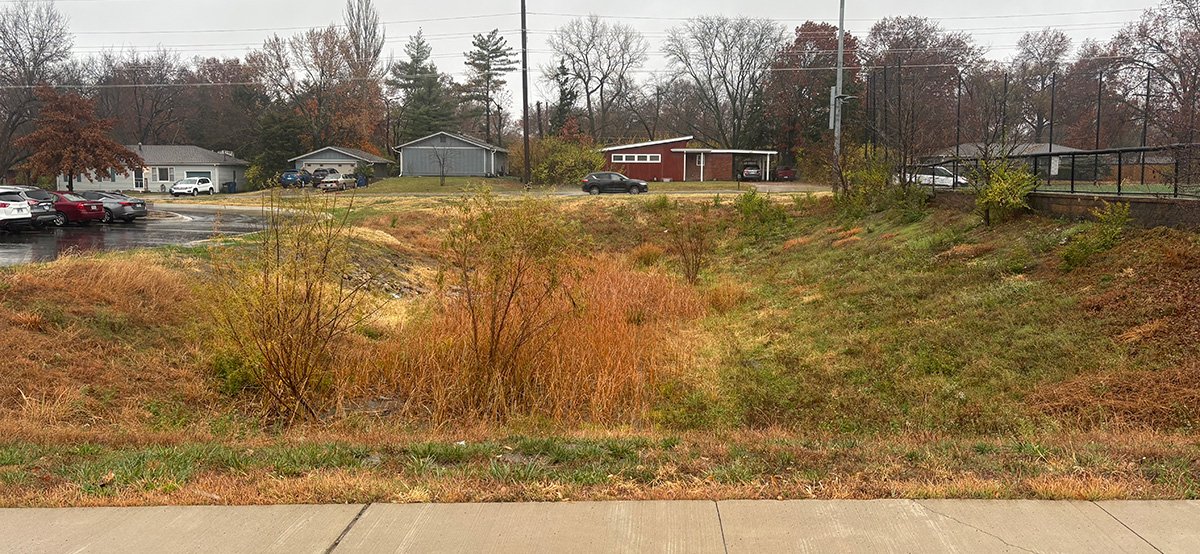
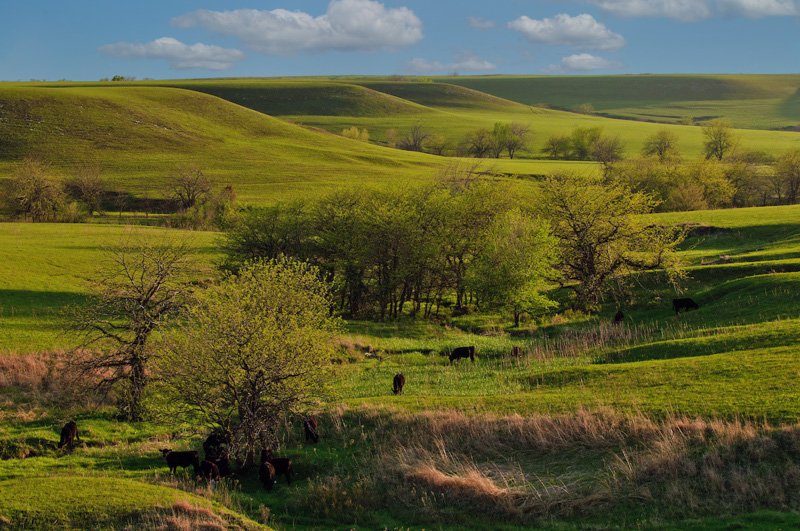
A corollary reimagining of our very landscape concepts in regard to water is in order. One of the major flaws in modern landscaping is the desire to freeze the landscape in an unsustainable state. Lush, green growth is always transient in most of the North American ecosystems I’ve worked in. Moreso, maintaining this illusion is inherently water intensive. Natural ecosystems change constantly. This I propose is precisely why they are magic. For me the Flint Hills in east central Kansas illustrates the fluctuating beauty and performance provided by a dynamic landscape. This area responds to extreme water stress by adaptation rather than resistance. Water resources and challenges are reflected in green or brown alike, with the implications of any conditions never diminishing the beauty, or importantly, the function. Natural landscapes such as the Flint Hills demonstrate a way out of water worry.
Final Thoughts
Water is the essential of life, not an extravagance. Our landscapes should be devised and planned with the water we have available, not installed with a built-in water deficit needing more than can be supplied. Natural landscapes live within their water means, they do not exceed it. As “sustainability” influences our operations more and more, and organizations require increasing frugality of resources, maintaining a water dense landscape only makes sense in the narrowest of conditions. Where there is a clear need for a certain landscape (I have no problem with golf courses, sports turf, or home lawns) I will not argue. But, where there is limited resources, for whatever reason, the landscape will, and should, be subordinate to other water uses (drinking being the most important imho). A recalibration of our design and maintenance practices for water utilization is in order should be, and can be, undertaken.
0 Comments
Recommended Comments
There are no comments to display.